
Wizards of the Coast Under Fire: MTG Spider-Man Survey Sparks ‘Witch Hunt’ Concerns Over Influencer Blame





Popular Now
Garena Free Fire: Kalahari
 Black Myth: Wukong
 Fall Guys
 Among Us
 Free Fire Max
 Auto X Drift Racing 3
League of Legends
Auto X Drift Racing 3
League of Legends
 R.E.P.O
 Geometry Dash
 CarX Street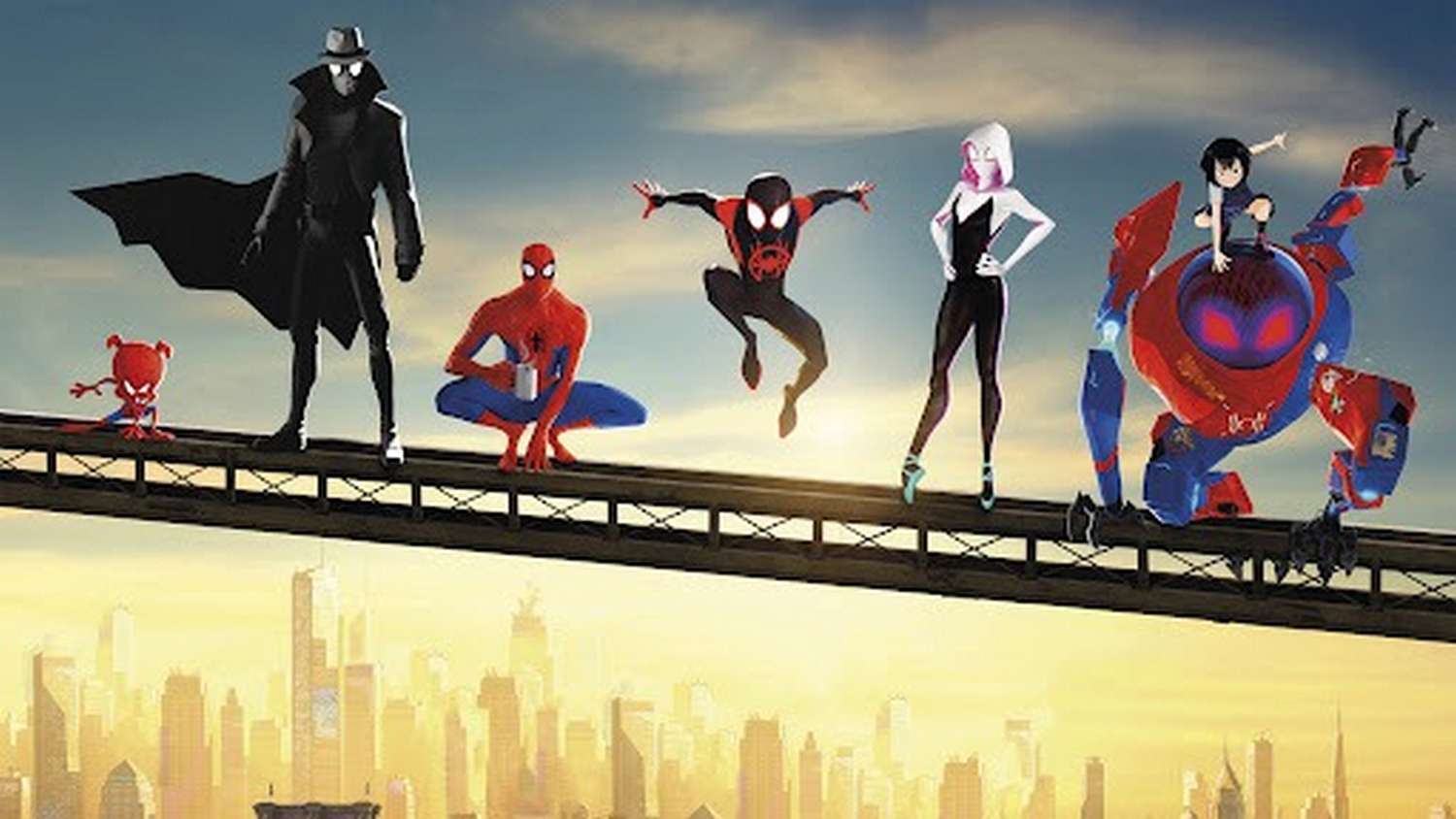
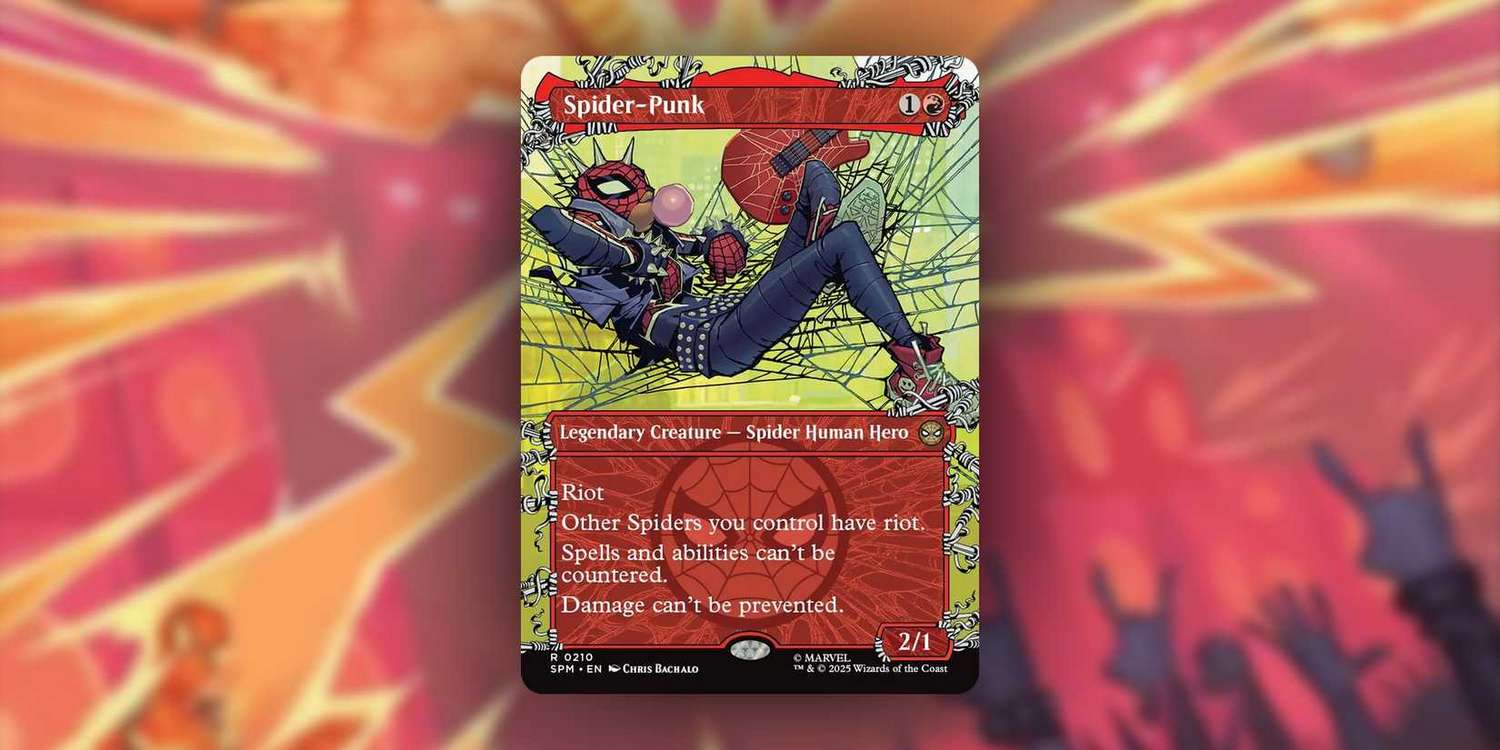
Wizards of the Coast (WotC), the publisher behind the perennial trading card game giant, Magic: The Gathering (MTG), is navigating a fresh wave of controversy following a post-release survey about the highly divisive Universes Beyond: Marvel’s Spider-Man set. While ostensibly a routine effort to gather player feedback, the survey’s line of questioning has ignited a significant backlash, with prominent MTG content creators and players expressing concern that the company is attempting to shift blame for the set’s poor reception away from design choices and onto community influencers.
The Spider-Man MTG set has been marred by criticism since its initial spoilers, with players citing a lack of thematic cohesion, repetitive mechanics, underwhelming limited gameplay, and a perceived over-saturation of the Universes Beyond (UB) product line. This ongoing negative sentiment appears to have prompted WotC to seek a deeper understanding of the product’s failure. However, a specific question within the survey, which appeared after users indicated they received news about the set from content creators, has become the flashpoint for the latest dispute.
The Controversial Question: Is WotC Blaming Influencers?
The survey reportedly includes a targeted question asking respondents to what degree “negative influencer commentary” impacted their perception of the Magic: The Gathering | Marvel’s Spider-Man set before its release. This phrasing has been interpreted by many in the community—including top-tier players and Hall of Fame inductees—as a fishing expedition, or even a ‘witch hunt’, designed to identify and implicitly blame external commentators for the set’s commercial and critical struggles.
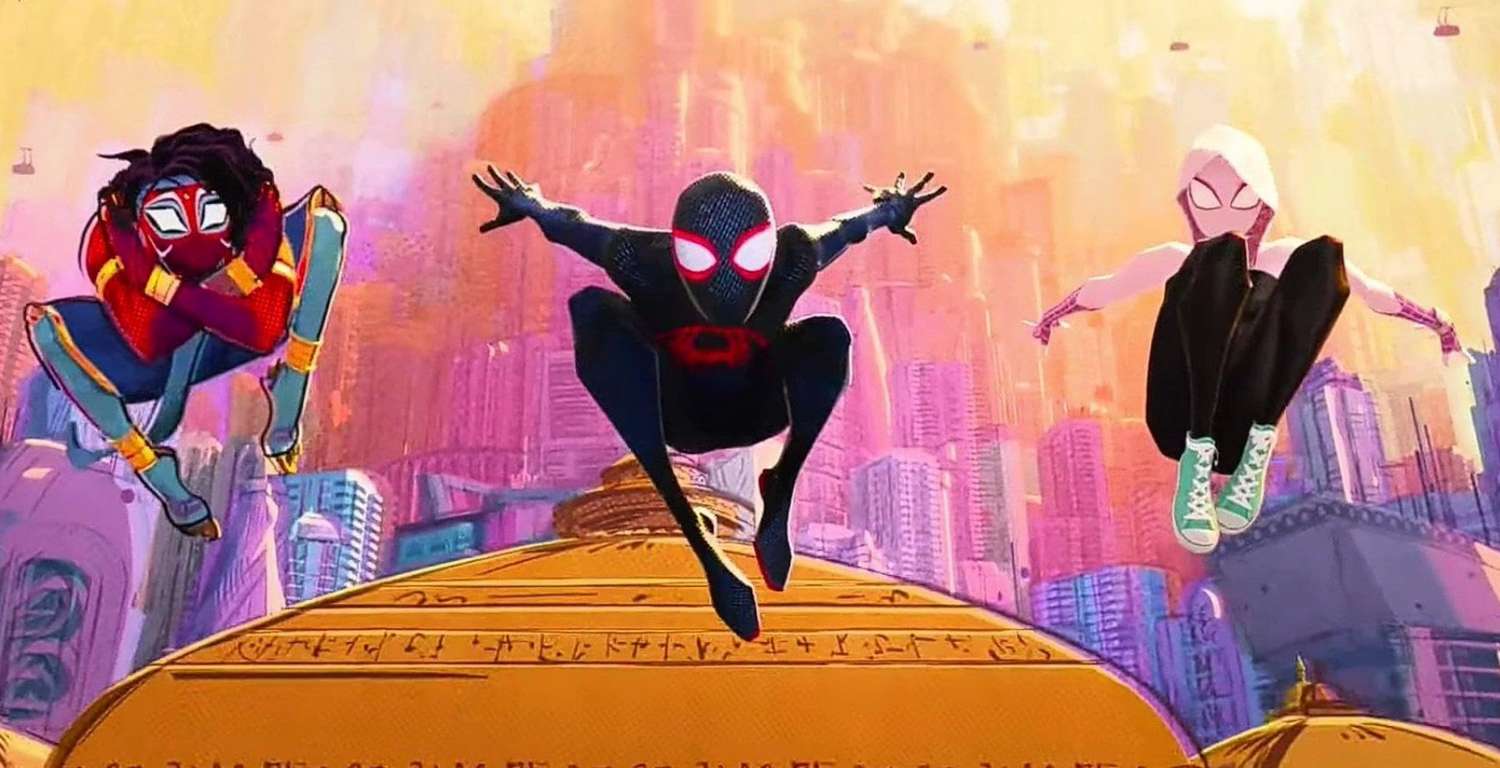 Luis Scott-Vargas (‘LSV’), a well-known professional player and content creator, took to social media to express his astonishment, stating that WotC’s approach was concerning, particularly as he and others often base their critiques on playing the set post-release, not on pre-release commentary. This sentiment is widespread: many players argue that the set’s issues—such as the widely panned ‘Pick-Two’ draft format, the inclusion of underwhelming “filler” cards like the Hot Dog Cart, and the overall design execution—are self-evident product flaws that no amount of positive marketing could overcome.
Community Reaction and the True Cost of Universes Beyond
The community’s response has been swift and overwhelmingly negative, adding further friction to the already strained relationship between WotC and its most dedicated player base. Many fear that answering the question truthfully could lead to WotC retaliation against specific content creators who offer genuine, though negative, feedback. This climate of fear highlights the powerful, yet delicate, role MTG influencers play in shaping consumer decisions within the $TGC market.
The core of the issue, according to numerous player forums and online discussions, is not the existence of a Spider-Man crossover itself. Indeed, the Universes Beyond line, which includes the critically acclaimed The Lord of the Rings: Tales of Middle-earth set, is generally seen as a successful, high-CPC (Cost-Per-Click) venture for Wizards of the Coast and its parent company, Hasbro. The criticism is leveled squarely at the set’s design quality. Players express concern that a rush to meet a demanding release schedule, or a fundamental misunderstanding of what makes a good MTG Limited format, resulted in a set that was inherently “lazy” and “uninspired,” frequently reusing existing mechanics instead of introducing compelling new ones.
- Design Execution Concerns: Critics point to the set’s limited size, the lackluster draft experience, and the overwhelming repetition of mechanics like ‘Modified’ and ‘Connive’ as evidence of a rushed or poor design cycle.
- Economic Impact: Reports of Collector Booster price crashes post-release further underscore the commercial disappointment, suggesting that despite the initial hype, the secondary market value and long-term interest in the set’s collectables have been significantly lower than expected for a major IP crossover.
- Player Sentiment: The prevailing sentiment is that WotC is avoiding accountability for internal product management and instead seeking a scapegoat in the form of independent media voices.
 Looking Ahead: The Future of MTG and the Universes Beyond Strategy
 Looking Ahead: The Future of MTG and the Universes Beyond Strategy
Despite the highly publicized stumble of the Spider-Man set, the Universes Beyond initiative is not slowing down. Upcoming projects, including sets based on PlayStation properties, Star Trek, and Teenage Mutant Ninja Turtles, are already confirmed to be in development. This signals WotC’s continued commitment to leveraging high-profile IPs for mass market appeal and premium product sales, a strategy that commands some of the highest CPC keywords in the TCG sector.
For Wizards of the Coast, the challenge is clear: they must demonstrate that they are listening to the substantive, design-focused critique rather than merely attempting to suppress negative coverage. The backlash against the survey is a powerful reminder that the MTG community is both highly engaged and critically aware of product quality. Moving forward, the success of future UB releases will depend not just on the strength of the IP license, but on a demonstrable return to the high standards of Magic: The Gathering set design and a transparent, respectful engagement with the content creators who serve as a vital link between the company and its player base.