
Blizzard Confirms Reversal of Controversial Season 19 Stadium Change Following Player Backlash








Popular Now
 Minecraft
 NBA 2K24
 Schedule I
 Counter-Strike 2
 EA SPORT FC 25
 God of War Ragnarök
 Black Myth: Wukong
 Roblox
 Auto X Drift Racing 3
 League of Legends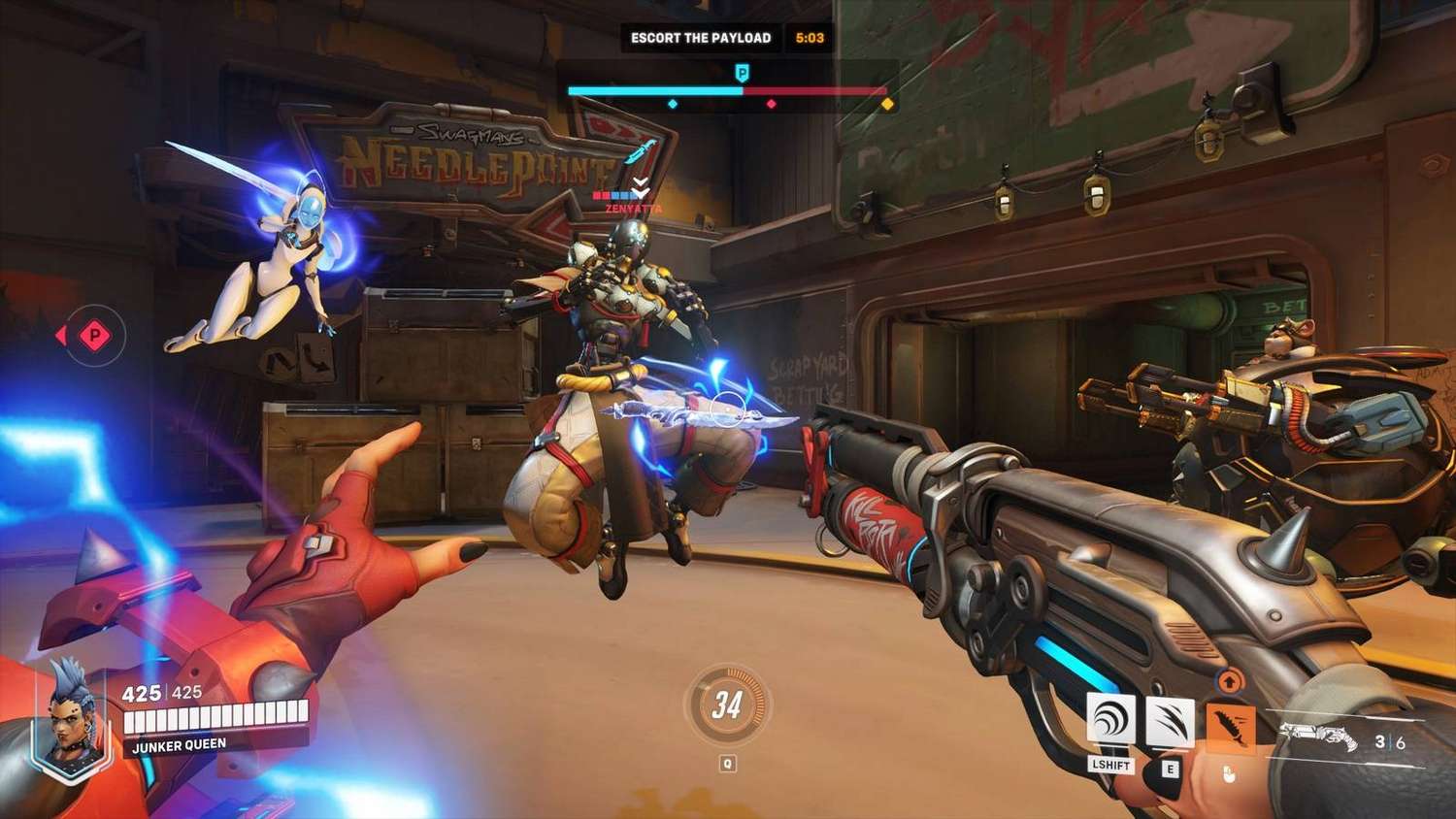
Blizzard Entertainment, the developer behind the globally popular free-to-play title Overwatch 2, has officially announced a significant design pivot regarding its competitive ‘Stadium’ mode. Following a tumultuous launch period for Season 19, the developers have confirmed they will be reverting a controversial map change and several associated mechanical updates that sparked widespread discontent across the competitive gaming community. This swift reversal underscores the ongoing commitment to player feedback—a crucial factor in maintaining the health and player retention rates of a live-service game.
The core of the recent controversy centered on sweeping alterations introduced to the Stadium competitive mode, a popular, highly customizable variant of Overwatch 2 which combines hero-specific perks, item builds, and traditional objective-based gameplay. While Season 19 brought in highly anticipated content like new heroes—Torbjörn, Hazard, and Sojourn—and new ‘Gadgets,’ the changes to the competitive format and map rotations were deemed severely detrimental by the high-skill player base.
📉 The Season 19 Changes That Drew Fire
The most immediate and critically received changes focused on two main areas: the competitive structure of Stadium matches and the introduction of a new Hero Draft system. These mechanics were intended to make the mode faster and more strategic but had the unintended consequence of making matches feel unbalanced and unrewarding. Understanding the nature of the backlash is key to appreciating the necessary reversal:
- Competitive Format Shift: Competitive Stadium was changed from a Best-of-Seven (Bo7) format to a Best-of-Five (Bo5). While the goal was to shorten match length, many top players argued that this made the games more volatile, with early advantages leading to irreversible ‘snowballs’ due to the cash and item system. The depth and decision-making that defined the mode were perceived as significantly diminished.
- The Controversial Hero Draft: This new system required teams to draft their heroes at the start of the match, allowing one team to immediately counter-pick the enemy tank—a decision that often determined the game’s outcome before the first objective was engaged. Player feedback highlighted that this feature introduced an immediate, often unfair, advantage, leading to “unfun” tank gameplay and reducing the focus on individual skill and team coordination during the round itself.
- Specific Map Flow Issues: While a single specific map name was not the singular issue, the cumulative effect of the format change on existing and newly introduced maps—such as the new Busan Sanctuary Control—exacerbated problems with spawn trapping, flank routes, and objective control. The compressed Bo5 format left little room for teams to adapt to unfavorable map layouts or enemy builds.
The vocal reaction, particularly on social media platforms and dedicated Overwatch 2 forums, centered on the feeling that the developers were actively “ruining Competitive Stadium.” One prominent community complaint highlighted that the draft system added two minutes of pre-game downtime only to result in a guaranteed counter-pick scenario, negating the very essence of competitive fairness. This public outcry provided undeniable data to the developers regarding the negative impact on the player experience and game health.
 ✅ The Developer Response: Reverting the Competitive Stadium Structure
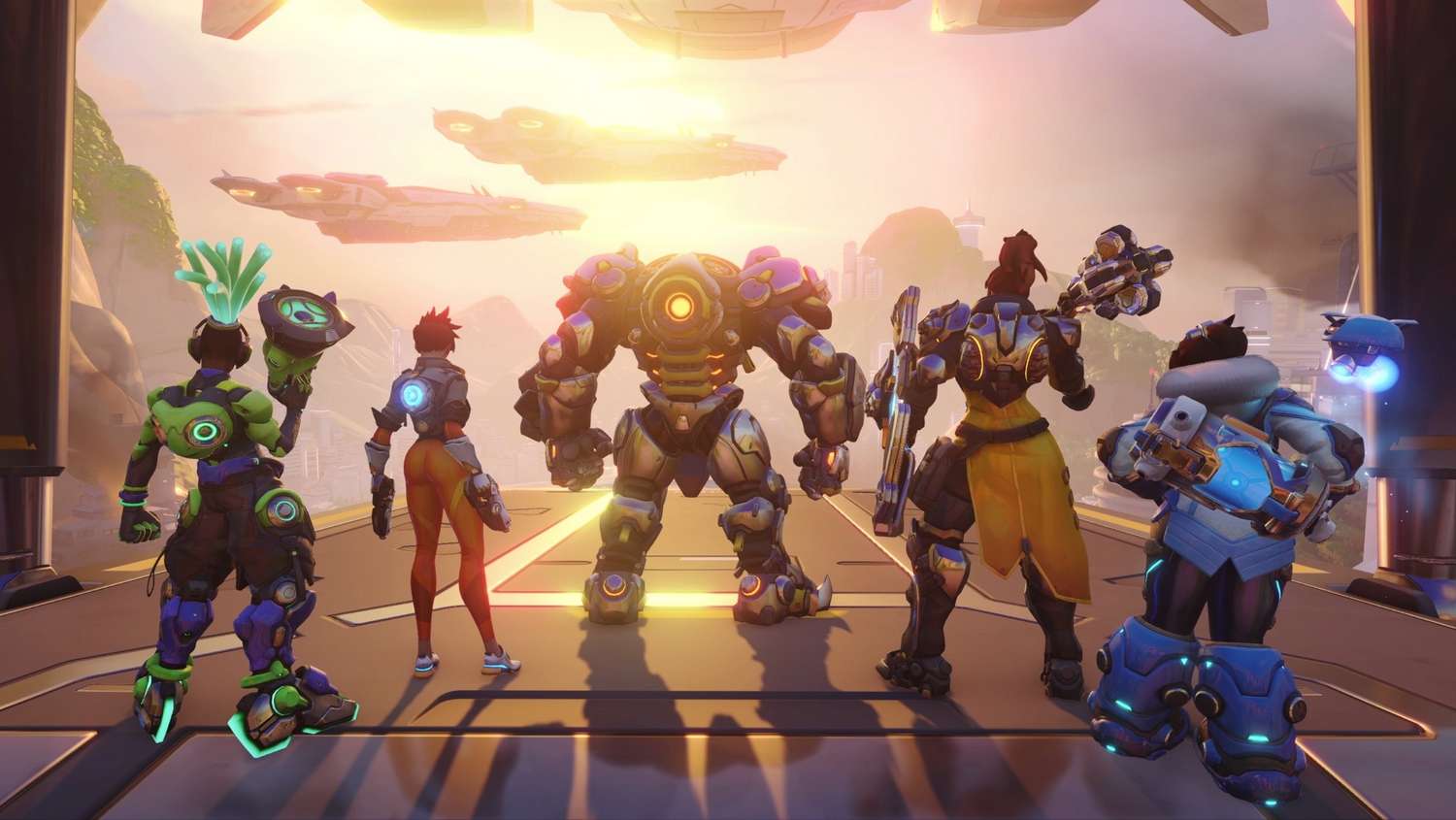
In an official statement released by Blizzard, a representative acknowledged the “overwhelming and consistent feedback” regarding the new competitive structure. The core change being implemented in an upcoming hotfix, and serving as the primary ‘reversion’ being tracked by the community, is the elimination of the aforementioned draft system and a re-evaluation of the match format.
Details of the reversal include:
- Removal of the Hero Draft System: The polarizing hero draft will be entirely removed from Competitive Stadium. This allows players to select heroes freely, promoting on-the-fly decision-making and counter-swapping during the match, restoring a vital layer of strategic depth.
- Re-evaluation of Bo7 Format: While the Bo5 format remains for now, the developers are actively reviewing data to determine if a full return to the Best-of-Seven structure is required to restore the necessary depth and reduce the snowball effect. This phased approach demonstrates a commitment to data-driven decision-making while quickly addressing the most egregious player pain points.
- Targeted Map Flow Adjustments: The new patch will also include subtle adjustments to the geometry and sightlines on several maps, including those used in the Stadium mode, to address issues where the Bo5 format made retakes excessively difficult. These map balance changes are key to restoring competitive parity.
This quick action is a vital demonstration of Blizzard’s responsive development model. In the high-stakes world of live-service gaming, the ability to rapidly course-correct from a failed experiment is essential for long-term success and is a high-value metric for the esports industry and investor confidence.
📈 Long-Term Impact on Overwatch 2 and Stadium Mode
The commitment to reverting the controversial Season 19 changes is a powerful reassurance to the community that Blizzard is listening. Stadium mode, created from the remnants of the cancelled Hero Missions PvE content, is a significant investment for the company and is a major draw for players looking for a deep, customizable experience beyond the core 5v5 game. Maintaining the quality and integrity of this mode is critical for securing long-term player engagement.
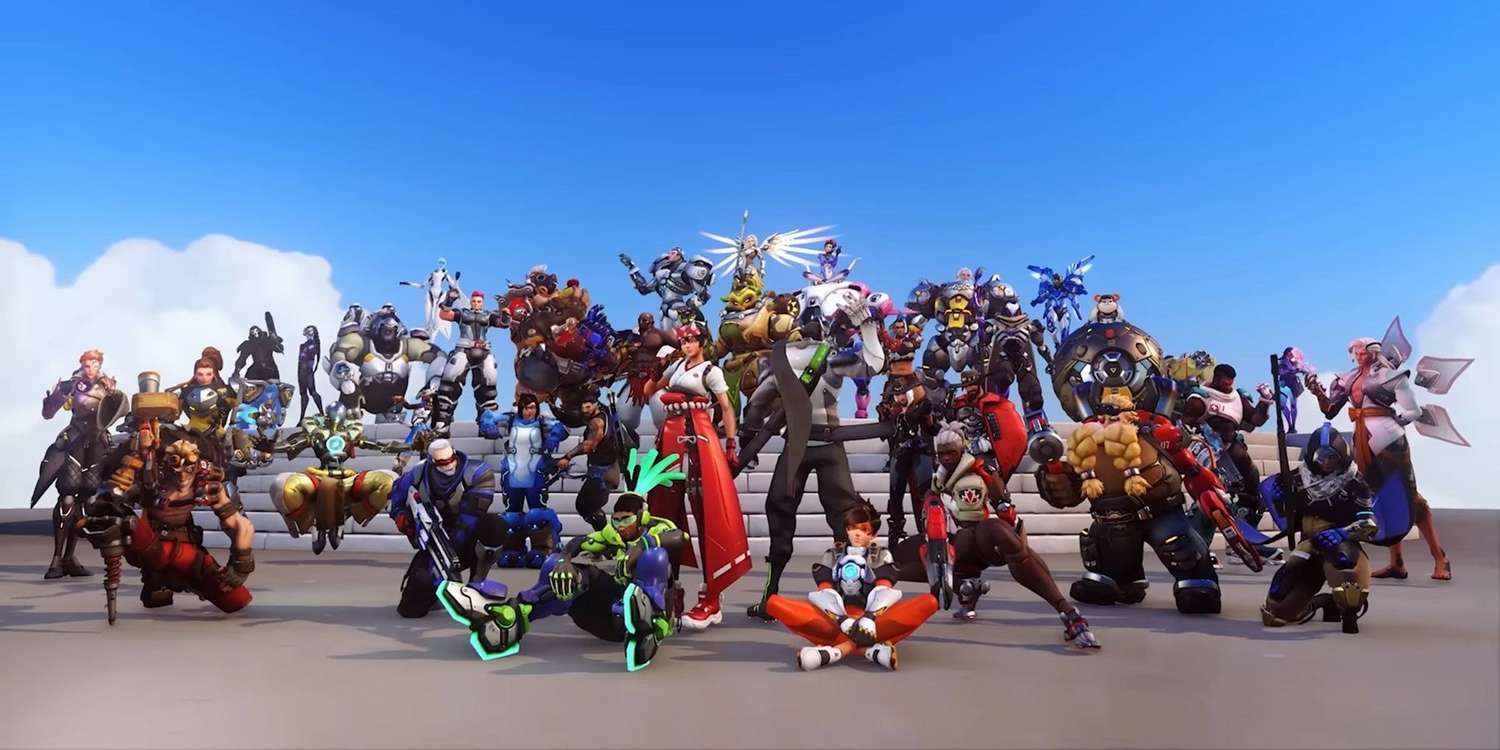 The next few seasons will continue to test the developers’ resolve as they fine-tune the innovative aspects of Stadium, such as the new Gadgets and the ongoing Hero Perk balancing. The key takeaway from the Season 19 controversy is that while innovation is welcomed, it must not come at the expense of competitive integrity and fairness. Moving forward, a more cautious, iterative approach to major competitive format changes will likely be adopted to prevent another wave of negative player sentiment and to ensure the longevity of one of Overwatch 2’s most exciting features.
The swift reversal provides a valuable case study in the dynamics of a AAA title and its dedicated community, reinforcing the principle that in gaming, the players’ experience must always be the ultimate metric of success. Blizzard’s stock in community goodwill has been favorably impacted by this decision to prioritize fun over a flawed design iteration.