
Heroes of Might and Magic: The Enduring Appeal of Classic Turn-Based Strategy in a Modern Gaming Landscape










Popular Now
 Free Fire Max
 EA SPORT FC 25
 Counter-Strike 2
 R.E.P.O
 Fortnite
 Among Us
 The Legend of Zelda
 Genshin Impact
Gacha Club
Genshin Impact
Gacha Club
 NBA 2K24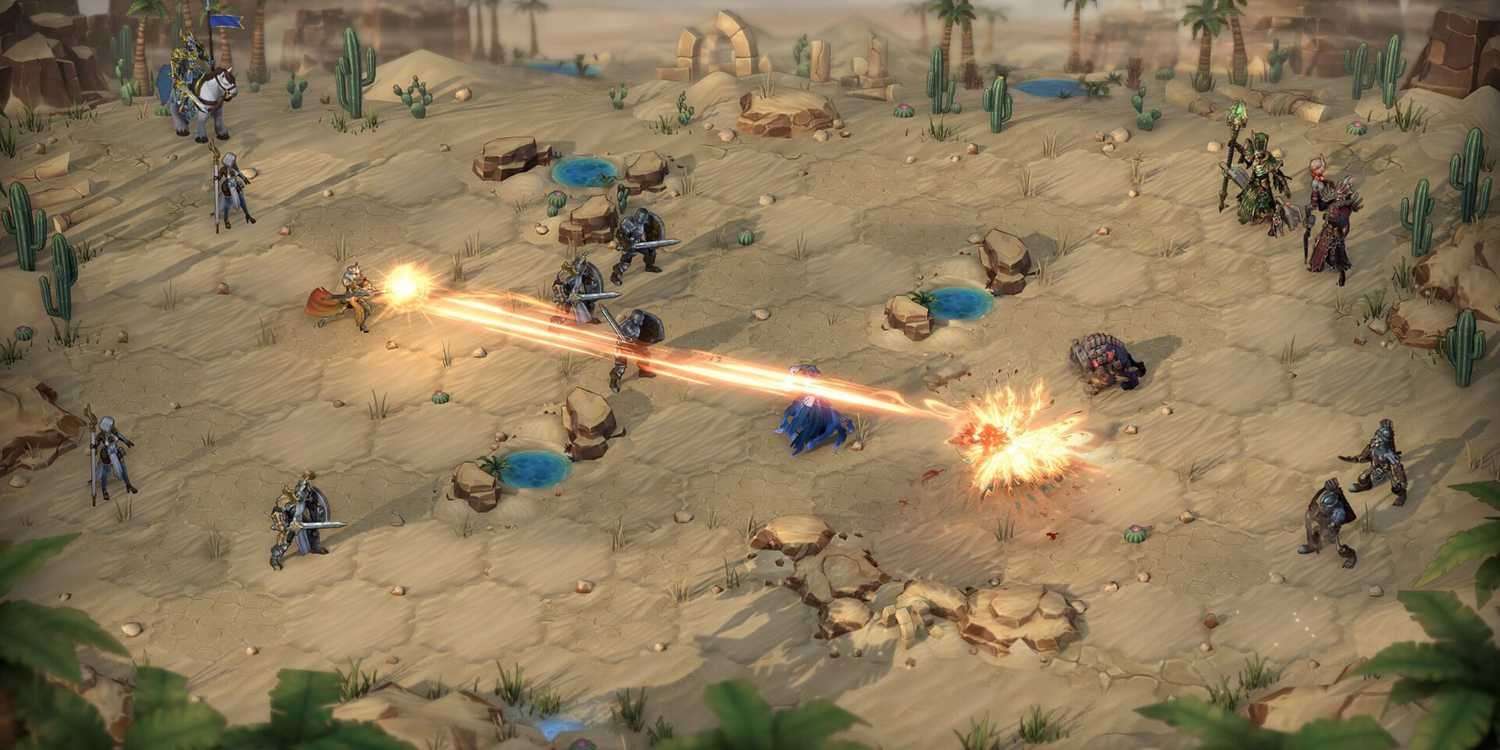
For a generation of PC gamers, the name Heroes of Might and Magic evokes a potent cocktail of nostalgia, strategic depth, and countless hours lost in fantastical realms. Often revered as the quintessential ‘pipe-and-slippers’ game, where comfort meets profound tactical engagement, the series embodied a unique blend of turn-based strategy, role-playing, and adventure. In an era dominated by high-octane action and ever-evolving graphics, the enduring appeal of HoMM’s classic formula is experiencing a quiet but significant resurgence, proving that intricate design and engaging mechanics often outshine ephemeral trends.
The ‘pipe-and-slippers’ glory isn’t merely a quaint turn of phrase; it speaks to the game’s inviting, yet deeply satisfying, pace. Players could settle in for long sessions, meticulously planning their hero’s progression, managing sprawling kingdoms, and engaging in richly animated tactical battles. This unhurried approach, coupled with a deep well of strategic options, fostered a profound sense of mastery and immersion. It offered a refuge from the frantic demands of real-time strategy or twitch-based action games, providing an intellectual challenge wrapped in a comforting fantasy blanket.
The Legacy of a Strategic Behemoth: Why HoMM Still Resonates
The Heroes of Might and Magic series, particularly its third and fifth installments, set a gold standard for turn-based strategy games. Its core loop – exploring a vast adventure map, conquering mines and cities, developing powerful heroes, and assembling formidable armies – was addictive. The delicate balance between economic management, hero development through artifacts and skills, and tactical battlefield prowess created a multifaceted challenge. Each decision, from which spell to research to which creature dwelling to build, carried weight, influencing the trajectory of an entire campaign.
What truly solidified its legacy was the robust combination of accessible mechanics and significant strategic depth. New players could grasp the basics quickly, but mastering the intricate unit synergies, hero builds, and spell combinations required hundreds of hours. This design philosophy fostered a dedicated community that continued to support and mod the games long after official development ceased. The longevity of titles like Heroes of Might and Magic III: Horn of the Abyss, a fan-made expansion continuously updated with new content, is a testament to the series’ foundational brilliance and its potent strategic appeal.
The Modern Comeback: What ‘Back in Glory’ Truly Means
When we speak of Heroes of Might and Magic being ‘back in all its pipe-and-slippers glory,’ it’s not solely about a direct sequel or a definitive remaster – although official revivals and spiritual successors are always eagerly anticipated. Instead, it signifies a broader trend: a renewed appreciation for classic turn-based strategy and the rise of new titles that meticulously capture and evolve the HoMM essence. Indie developers, in particular, have stepped up to fill the void, creating games that prioritize strategic depth, compelling fantasy narratives, and that familiar, satisfying gameplay loop.
These modern interpretations understand that the ‘glory’ lies in several key pillars:
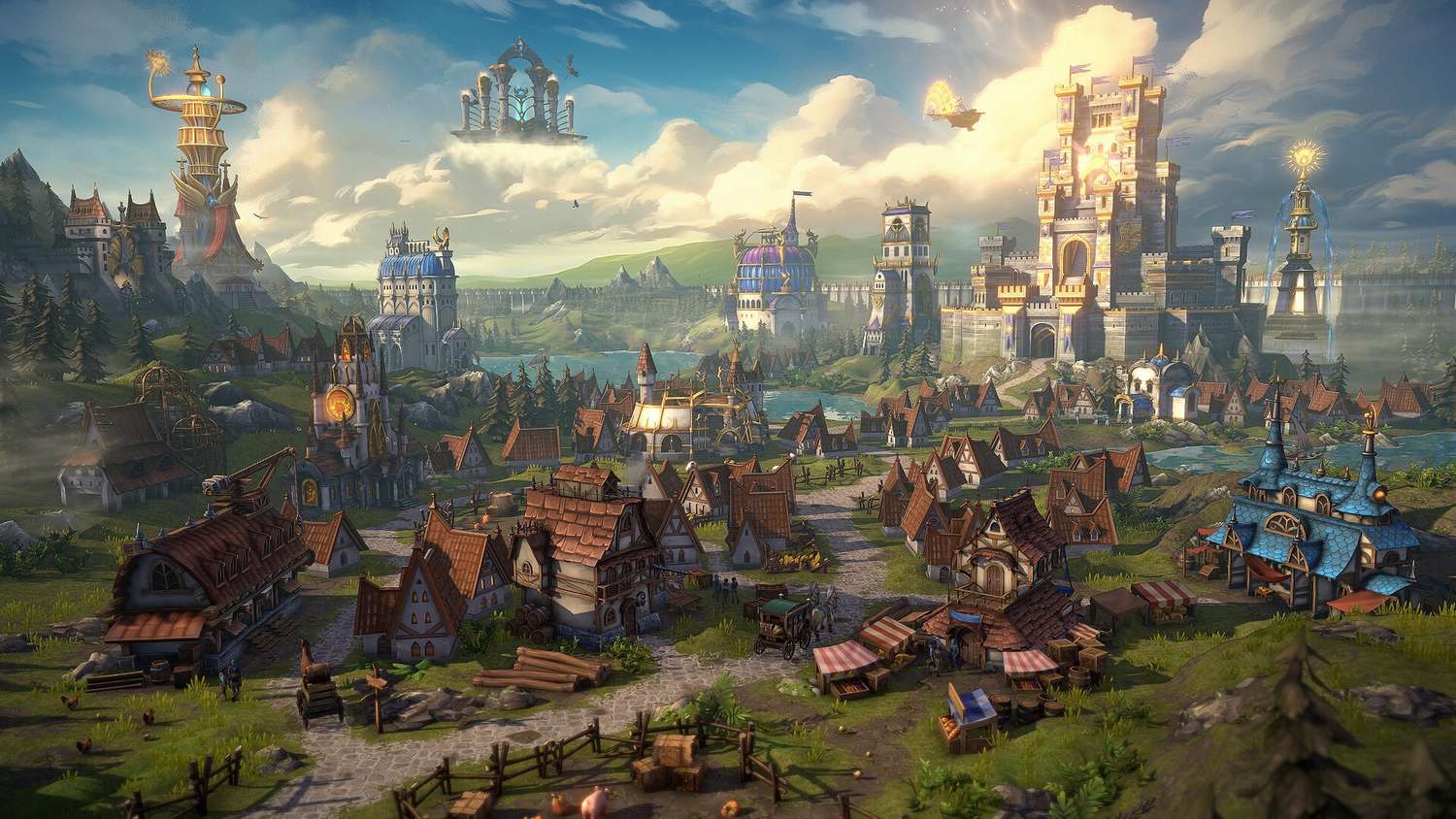
- Deep Strategic Maps: Vast, explorable worlds teeming with resources, neutral armies, and quest objectives that reward careful planning and exploration.
- Meaningful Hero Progression: Heroes that feel impactful, gaining new skills, spells, and artifacts that fundamentally alter battlefield dynamics and strategic choices. This RPG progression system is critical for player engagement.
- Diverse Factions and Units: Distinct creature rosters with unique abilities and upgrade paths, encouraging diverse playstyles and fostering tactical variety. Understanding unit synergies and counter-play is paramount.
- Turn-Based Tactical Combat: Engaging, grid-based battles where positioning, spell usage, and unit abilities are key to victory. This form of tactical combat remains a high-value keyword for strategy enthusiasts.
- Robust Replayability: Random map generators, diverse factions, and challenging AI ensure that each playthrough offers a fresh experience, contributing to a high gaming value proposition.
The gaming market is ripe for experiences that offer genuine strategic depth without the constant pressure of microtransactions or competitive esports. Players are increasingly seeking out games that respect their time and intellect, providing a rich, single-player or co-op experience that can be enjoyed at one’s own pace. This desire for ‘premium gaming experiences’ aligns perfectly with the HoMM philosophy.
 The Enduring Business Case: Why Classic Strategy Thrives
 The Enduring Business Case: Why Classic Strategy Thrives
From a business perspective, the resurgence of this genre highlights several key factors. Games that offer profound strategic depth and extensive replayability often boast high player retention and strong word-of-mouth marketing. They appeal to a demographic that values intellectual challenge and long-term engagement over flashy graphics alone. Keywords like ‘strategic depth,’ ‘replay value,’ and ‘indie strategy games‘ are highly sought after by this discerning audience.
Furthermore, the development of turn-based strategy games can sometimes be more forgiving than graphically intensive AAA titles, allowing smaller studios to innovate and deliver compelling experiences on more modest budgets. This creates a healthy ecosystem where passion-driven projects can flourish, providing alternatives to mainstream offerings and catering directly to the loyal fanbase of classic strategy games. The community’s willingness to invest time and even money into well-crafted expansions and fan-made content speaks volumes about the enduring commercial viability of this niche.
Looking Ahead: The Future of ‘Pipe-and-Slippers’ Strategy
The future for fans of the Heroes of Might and Magic style of gameplay looks promising. With a renewed appreciation for deliberate, thoughtful strategy, developers are exploring new avenues to bring back that familiar ‘pipe-and-slippers’ glory. Whether it’s through officially sanctioned remasters that lovingly polish existing classics, innovative spiritual successors that build upon proven foundations, or community projects that keep the torch burning bright, the core tenets of HoMM are set to entertain new generations of players.
The return isn’t just about revisiting old favorites; it’s about celebrating a design philosophy that champions player agency, intellectual engagement, and the profound satisfaction of overcoming complex challenges through cunning and careful planning. The ‘Heroes’ formula, with its unique blend of exploration, city-building, hero development, and tactical combat, continues to prove its timeless relevance. As the gaming landscape evolves, the comfortable, yet deeply rewarding, embrace of classic turn-based strategy remains a powerful draw, securing its place as a cherished genre that is indeed back in all its glorious comfort.