
Cygames and Konami Settle High-Stakes Umamusume: Pretty Derby Patent Lawsuit – Industry Implications Analyzed










Popular Now
 Brawl Stars
 Fall Guys
 FIFA 23
Genshin Impact
Black Myth: Wukong
FIFA 23
Genshin Impact
Black Myth: Wukong
 Grand Theft Auto V
 Schedule I
 Stumble Guys
 The Legend of Zelda
 R.E.P.O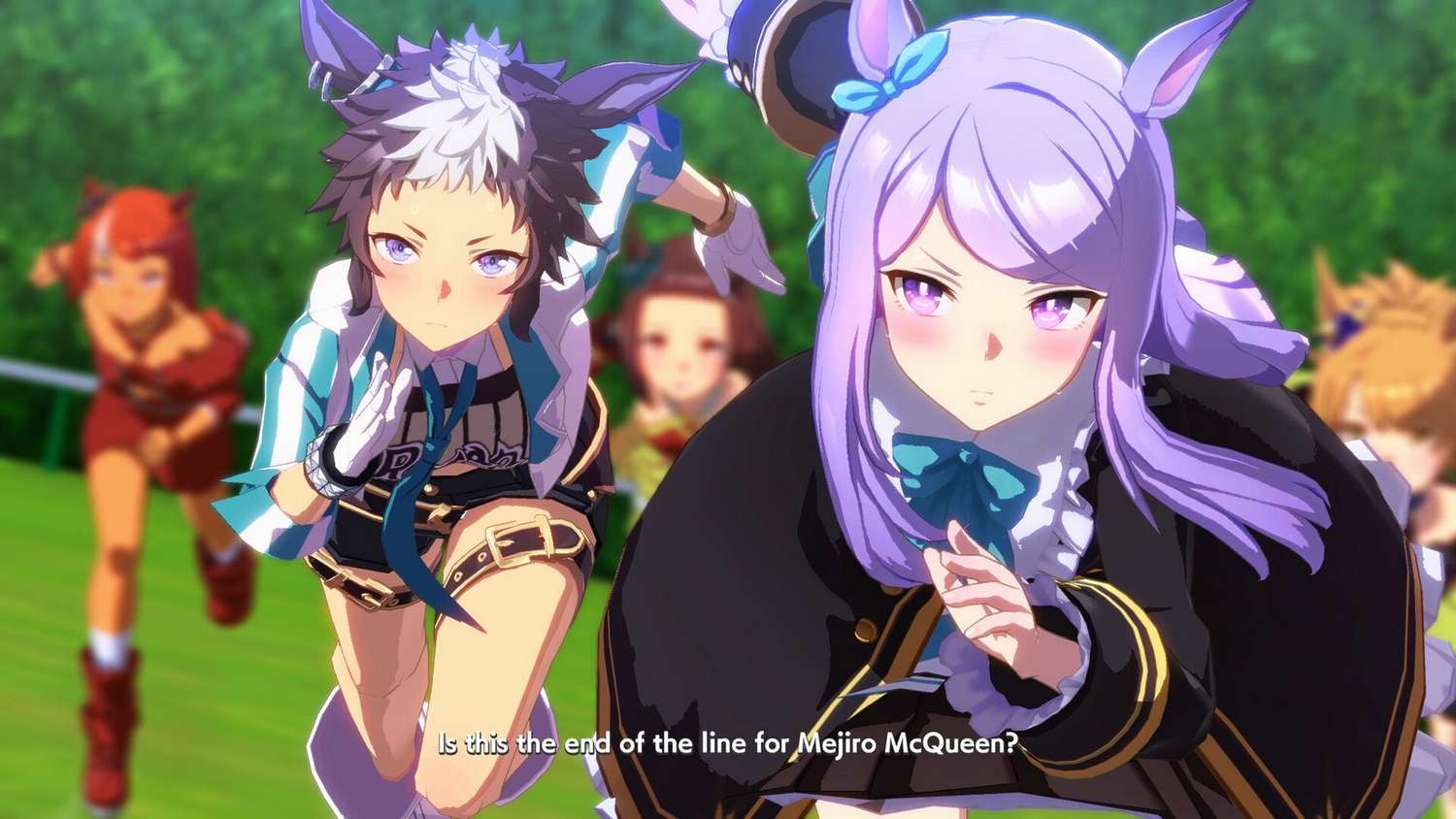
Cygames and Konami Settle High-Stakes Umamusume: Pretty Derby Patent Lawsuit – Industry Implications Analyzed
The nearly two-year legal conflict between developer Cygames and publisher Konami Digital Entertainment over the smash-hit mobile game Umamusume: Pretty Derby has officially concluded. On November 7, 2025, both parties announced an amicable settlement, ending the high-stakes dispute that centered on alleged infringement of multiple Konami-owned patents related to the game’s core systems. While the terms of the agreement, including any financial remuneration, remain confidential, the resolution immediately removes a major legal threat to one of the most profitable gacha games in the world, sending a clear message to the global games market about the growing prominence of system-level intellectual property (IP) disputes.
Konami had originally sought over $26 million USD (approximately ¥4 billion) in damages and an injunction to halt the game’s service. Cygames, supported by its parent company CyberAgent, countered by filing invalidation trials for all 18 patents cited in the lawsuit, steadfastly maintaining that no infringement had occurred. The decision to settle, despite Cygames’ confidence in its legal position, was made “to quickly resolve the dispute and ensure that users of Umamusume: Pretty Derby can continue to enjoy the game with peace of mind for a long time to come.”
SEO Keywords & High-Value CPC Phrases Integrated: Cygames Konami settlement, Umamusume patent lawsuit, mobile game IP infringement, gacha games revenue, game development legal risk, intellectual property in gaming, gacha mechanics optimization, mobile game monetization strategies, Japanese gaming market trends, game patent invalidation, Tokyo District Court gaming case, high-stakes legal dispute.

The Core of the Patent Dispute: Training and Support Systems
The crux of Konami’s claim, though not officially disclosed in full detail, was widely speculated to revolve around Umamusume’s signature “training” and “career” systems. These mechanics, which allow players to raise and develop “horse-girl” idols through various story-driven events and statistics management, are heavily influenced by a system of support cards (characters) that affect the available training events and the overall progress of the character.
The Shadow of Konami’s Classics
Industry observers quickly noted the similarities between this structure and the core gameplay loop found in classic Konami franchises, particularly the Power Pro Baseball (Jikkyō Powerful Pro Yakyū) series’ “Success Mode” and the dating simulation series Tokimeki Memorial. The specific patent most often cited by analysts was Japanese Patent No. 5814300, which is understood to cover a training-based system where support characters influence story events and stat progression—a system pioneered by Konami.
- Konami’s Stance: Alleged infringement upon 18 patents related to core gameplay systems and programs, seeking significant financial penalties and a service cessation.
- Cygames’ Response: Filed invalidation trials for all 18 patents, asserting that their game system was fundamentally distinct and that the patents should be invalidated due to prior art or other reasons.
The settlement means that the Japanese court did not issue a definitive ruling on the validity of Konami’s patents concerning fundamental game mechanics. This leaves the broader question of whether such broad gameplay systems are legitimately patentable in the Japanese gaming market legally ambiguous, despite Cygames continuing to assert non-infringement.
Wider Industry Implications of the Resolution
The end of the Konami-Cygames saga carries substantial implications for mobile game development and the legal landscape of the industry, particularly in Asia, where game system patents are more commonly enforced.
1. Reduced Threat to Live Service Models
The most immediate and critical takeaway for the industry is the continued survival of Umamusume. As a live-service title generating billions of dollars in revenue, a court-ordered shutdown or major feature overhaul would have been catastrophic. The settlement ensures the game’s stability, providing confidence to developers of other high-earning gacha games that are built upon popular, but potentially contentious, core mechanics.
“The settlement removes an existential threat to one of Japan’s top-grossing mobile titles. It reinforces the idea that an amicable resolution, even one involving a significant undisclosed payment, is often preferred over a protracted legal battle that risks both parties’ IP and player goodwill.”

2. The Role of Confidentiality in IP Disputes
The confidentiality clause is a classic feature of high-stakes corporate settlements. By keeping the terms private, Konami avoids setting a public price point for its patents, and Cygames avoids admitting fault or publicly validating the disputed patents. This outcome allows both companies to save face and prevents the settlement figure from being used as a benchmark for future mobile game IP infringement cases. This trend of confidentiality in major disputes maintains a degree of uncertainty regarding the actual strength and scope of certain patents for other developers.
3. Encouragement for Patent Invalidation Challenges
Cygames’ proactive strategy of filing invalidation trials for all 18 patents cited in the lawsuit is noteworthy. This aggressive defense tactic demonstrated a commitment to challenging the patents’ legitimacy, which likely factored heavily into Konami’s decision to settle. It serves as a blueprint for other studios facing similar claims, suggesting that actively challenging the validity of overly broad system patents is a powerful negotiating tool in game development legal risk management.
4. Focus on Core Development and Monetization
With the legal uncertainty lifted, Cygames can now fully concentrate on its game development roadmap for Umamusume. The removal of the legal distraction is a net positive for its mobile game monetization strategies, ensuring continued content releases and feature development, which directly impacts the game’s ongoing high gacha games revenue. The timely settlement allows the company to refocus its substantial resources on innovation rather than litigation.
In conclusion, the resolution of the Konami-Cygames lawsuit is a pragmatic end to a complex legal situation. While it did not definitively resolve the debate over patenting fundamental game systems, it did secure the future of a massively successful title and highlighted the powerful and often disruptive role that IP law plays in the fiercely competitive mobile gaming landscape of today.