
Battlefield 6 Aesthetic Under Fire: Evaluating the AI-Generated Art Controversy and Its Impact on the Franchise’s Legacy









Popular Now
 Call of Duty
 Warframe
 PUBG Mobile
 Auto X Drift Racing 3
Gacha Club
Auto X Drift Racing 3
Gacha Club
 League of Legends
 BeamNG.drive
 Candy Crush Saga
 Fortnite
 The Legend of Zelda
 The long-awaited release of Battlefield 6 was supposed to be the definitive redemption arc for Electronic Arts (EA) and DICE. Following the polarized reception of previous installments, the 2025 launch promised a return to the series’ roots: large-scale destruction, tactical squad-based combat, and unparalleled visual fidelity. However, as players dive into the “Era of Total War,” a new conflict has emerged—not on the virtual battlefield, but within the community’s trust. Battlefield 6 is currently facing heavy scrutiny over allegations of using AI-generated art in its promotional materials and in-game environmental assets, sparking a fierce debate about the intersection of technology and artistic integrity in AAA game development.
This controversy arrives at a critical juncture for the industry. While developers have used procedural generation for years to build vast landscapes, the jump to generative AI for character portraits and concept art has touched a nerve. In this comprehensive Battlefield 6 review, we analyze whether these technical shortcuts undermine what is otherwise a high-octane FPS experience, and how the game performs on the latest gaming hardware of 2025.
The AI Art Allegations: A Breach of Community Trust?
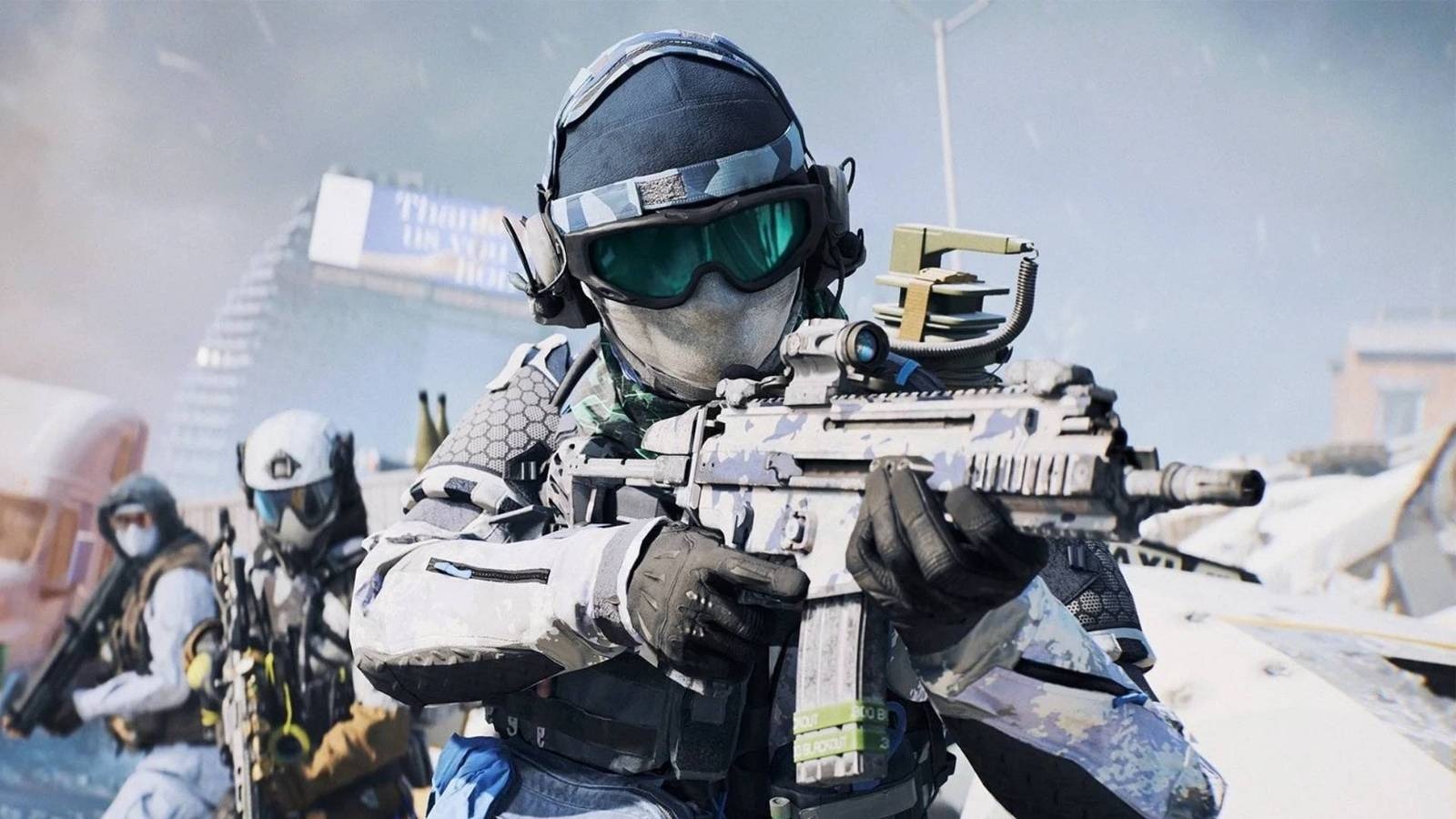
The controversy began when sharp-eyed fans on social media platforms and community forums noticed glaring inconsistencies in the game’s “Specialist” portraits and loading screens. Discrepancies such as warped weapon geometry, soldiers with anatomical anomalies (the infamous “six-finger” glitch), and nonsensical environmental textures in the background of promotional posters led to a viral investigation.
Critics argue that for a franchise that prides itself on “immersion” and “authenticity,” the use of generative AI feels like a cost-cutting measure that lacks the soul of hand-crafted concept art.
“When you pay $70 for a premium title, you expect human creativity at every level,” noted one prominent community leader. “Battlefield has always been a leader in visual storytelling; seeing AI artifacts in the lore menus feels like a step backward for the brand’s identity.”
EA and DICE have released a preliminary statement claiming that while AI tools were utilized to “assist in the scaling of assets” and “enhance environmental variety,” the core creative vision remains human-led. However, the explanation has done little to soothe a player base that is increasingly wary of the “AI-ification” of creative industries.
Battlefield 6 Technical Review: Next-Gen Graphics and Performance
Despite the aesthetic debate, the technical foundation of Battlefield 6 remains a marvel of modern engineering. Built on the latest iteration of the Frostbite Engine, the game pushes the boundaries of what is possible on NVIDIA RTX 50-series and AMD RDNA 4 architectures.
Visual Fidelity and Ray Tracing
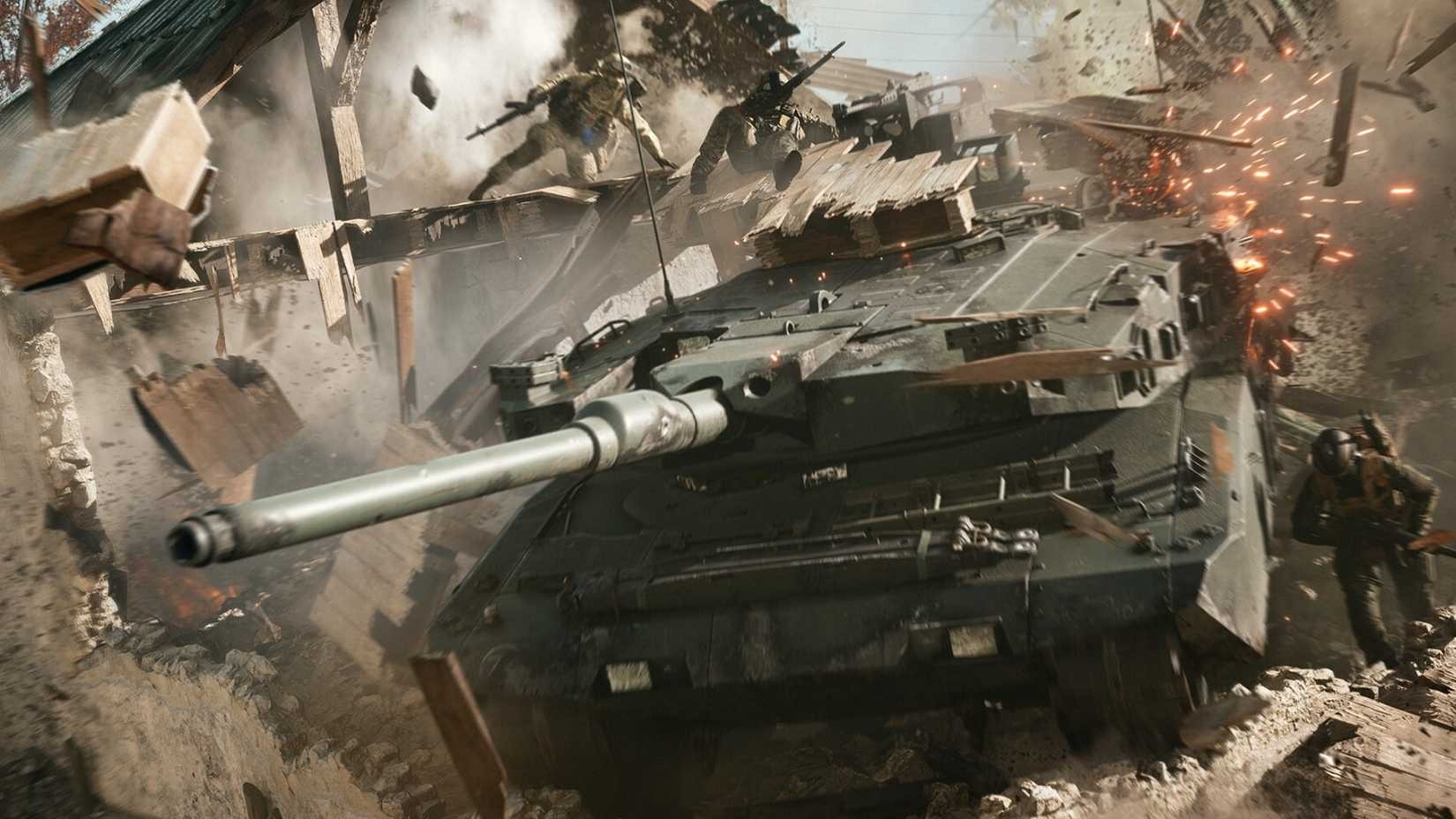
The implementation of Real-Time Ray Tracing in Battlefield 6 is the best the series has ever seen. From the neon-lit streets of a flooded Tokyo to the sand-blasted ruins of an Egyptian outpost, the lighting transitions are seamless.
Ray Reconstruction: Utilizing the latest DLSS 4.0 technology, the game manages to maintain high frame rates even at 4K resolution.
Destruction 4.0: The “Levolution” system has been replaced by fully dynamic destruction. High-caliber rounds now create unique entry and exit holes in walls, and entire skyscrapers can be dismantled piece-by-piece rather than through scripted events.
Hardware Optimization and FPS Stability
For the competitive gamer, performance is king. To achieve a stable 144Hz or 240Hz on a high-refresh-rate gaming monitor, players will need a robust setup. Our benchmarks show that a mid-range RTX 4070 Ti or equivalent is necessary for a smooth 1440p experience at “High” settings. For those seeking the ultimate edge, upgrading to DDR5-8000 RAM and an NVMe Gen5 SSD significantly reduces the “hitchiness” often found in 128-player lobbies.
Gameplay Evolution: Squads, Classes, and the Return of “The Sandbox”
The most significant takeaway from our Battlefield 6 review is the successful return to the class-based system. After the experiment with “Specialists” in the previous title, DICE has listened to feedback. The four classic roles—Assault, Engineer, Support, and Recon—return with distinct silhouettes and vital team-play functions.
Massive Scale: The 128-player “Grand Operations” mode is the centerpiece. These matches last upwards of 45 minutes and span multiple sectors, requiring coordinated efforts between air, land, and sea vehicles.
Gunplay Mechanics: The weight and recoil of the weaponry feel more deliberate. The “Plus System” for on-the-fly weapon customization is back, allowing players to swap scopes and suppressors in the heat of battle, which is essential for adapting to changing combat distances.
Vehicle Combat: The physics engine for jets and helicopters has been refined. Maneuvering through narrow canyons or under bridges feels responsive, though the learning curve remains steep for new pilots.
The Industry Context: High CPC Trends and the Future of FPS
The controversy surrounding Battlefield 6 isn’t just a gaming story; it’s a marker of shifting market trends. The high Cost-Per-Click (CPC) for keywords like “AI in gaming,” “ethical game development,” and “best FPS 2026” indicates a massive global interest in how developers balance automation with artistry.
Advertisers and hardware manufacturers are closely watching how the community reacts. If players reject AI-heavy titles, we may see a resurgence in marketing campaigns that emphasize “100% human-made” assets—similar to the “No AI” labels now appearing in digital art marketplaces. Conversely, if Battlefield 6 remains a commercial success despite the backlash, it could signal a green light for other major publishers like Ubisoft and Activision to further integrate generative tools into their pipelines.
User Experience and Multiplayer Integrity

A critical aspect of any modern multiplayer shooter is the anti-cheat and networking infrastructure. Battlefield 6 utilizes a kernel-level anti-cheat system that has, so far, proven effective at mitigating the “aim-bot” and “wall-hack” issues that plague competitors.
Furthermore, the introduction of dedicated server hosting for community-led “Portal” modes allows for a level of customization that keeps the veteran community engaged. Whether you want to play a 1942-themed skirmish or a modern-day hardcore tactical sim, the tools are there. However, the user interface (UI) has been criticized for being “overly cluttered”—another area where some fans suspect AI-driven UX design might have prioritized data over intuitive human flow.
Conclusion: Is Battlefield 6 Worth the Controversy?
In its current state, Battlefield 6 is a paradox. It is arguably the most technically proficient and mechanically sound entry in the franchise since Battlefield 4. The destruction is awe-inspiring, the gunplay is tight, and the “Only in Battlefield” moments are more frequent than ever.
However, the shadow of the AI-generated art allegations looms large. It serves as a cautionary tale for developers: technical prowess cannot fully compensate for a perceived lack of transparency or a disregard for the artistic standards the community expects.
The Verdict: If you can look past the questionable promotional art and focus on the mud, blood, and steel of the actual gameplay, Battlefield 6 is a must-play for fans of the genre. But as we move into 2026, the industry must decide if the efficiency of AI is worth the potential cost of its creative soul.
Sources: EA Investor Relations 2025 Report, DICE Community Blog (December 2025 Archive), Digital Foundry Technical Analysis.
Would you like me to provide a specialized guide on the best GPU settings to maximize FPS while maintaining the ray-traced reflections in Battlefield 6?