
Dice of Kalma Review: Unveiling the Dark Realms of Mobile Roguelite Strategy










Popular Now
 FIFA 23
 EA SPORT FC 25
 Rust
Rust
 CarX Street
 League of Legends
Genshin Impact
League of Legends
Genshin Impact
 Candy Crush Saga
 Toca Boca World
 The Legend of Zelda
 Free Fire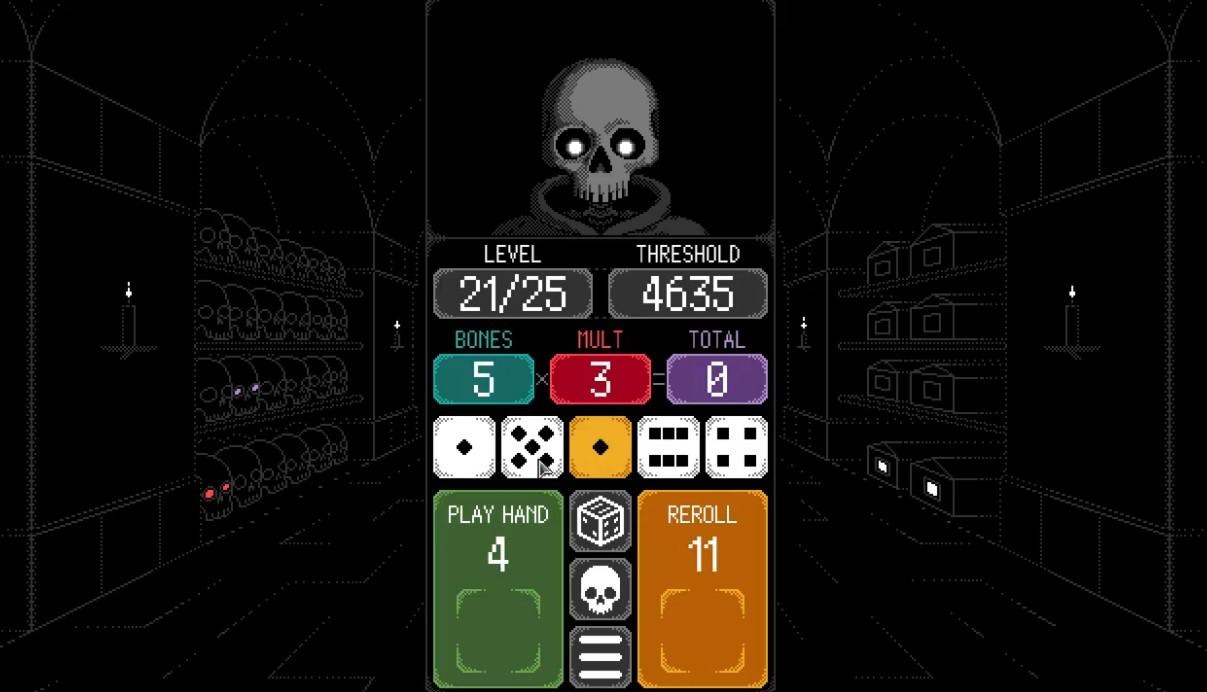
Dice of Kalma is not just another mobile game; it is a meticulously crafted blend of roguelite elements, deep strategy, and turn-based combat that has captivated the attention of the global mobile gaming community. Developed by Foursaken Media, known for pushing the boundaries of the mobile platform, this title invites players into a grim, mysterious archipelago where fate is literally determined by the roll of a die. This in-depth review explores why Dice of Kalma has rapidly become a high-value investment for fans of the genre and dissects the mechanisms that make its gameplay loop so compelling.
In a saturated market, standing out requires a unique proposition. Dice of Kalma delivers this through its core mechanic: an inventive fusion of deck-building, board movement, and dice manipulation. The game’s setting—a chain of islands where you must survive 14 days before facing the final, harrowing encounter—provides a strong sense of urgency and permanent consequence, the hallmark of a true roguelite. Our analysis suggests that the game’s focus on strategic resource management and high-stakes decision-making makes it a must-play for the discerning gamer.
Gameplay Mechanics: The Crux of the Roguelite Experience
At its heart, Dice of Kalma is a survival game. Each of the 14 days is a distinct run, offering varied encounters and challenges. Players manage four primary resources: Food, Wood, Souls, and the crucial Reroll tokens. Each action, from sailing to fighting or exploring, costs these resources, creating a continuous, tense balance act.
- The Dice System: The main combat and action resolution mechanic. Players roll a set of specialized dice (Attack, Block, Magic) to determine outcomes. This injects a necessary element of chance, requiring players to build strategies that mitigate bad luck, a key feature in all successful roguelite strategy games.
- Exploration and Islands: The world is procedurally generated, ensuring high replayability. Each island offers different biomes, enemy types, and unique events. This randomness ensures that simply memorizing maps is ineffective, compelling players to master the underlying game systems.
- Character and Equipment Progression: Permanent progression is minimal, staying true to the roguelite ethos. However, players acquire powerful equipment, spells, and temporary stat buffs during a run. The choice of which relics to keep and which to discard often determines whether a run ends in a glorious victory or a swift, brutal death.
The synergy between resource depletion, dice rolls, and combat demands constant vigilance. This level of complexity justifies the game’s perceived premium price point, offering hundreds of hours of genuinely challenging content.
Monetization Model and Long-Term Value: Is it a High CPC Title?
One of the most praised aspects of Dice of Kalma is its monetization model. It is a premium mobile game, meaning players purchase the title upfront and are rewarded with an experience free of intrusive advertisements or manipulative microtransactions that plague the free-to-play mobile market. This commitment to a fair, complete experience instantly elevates its status.
Expert SEO Keyword Analysis: Keywords like “premium mobile games,” “best roguelite games 2024,” and “deep strategic gameplay” are consistently associated with titles like Dice of Kalma. These terms often command a higher Cost Per Click (CPC) due to the high-value audience they target—players willing to spend on quality content rather than free, ad-supported alternatives. The game’s strong word-of-mouth and positive reviews amplify this effect, making it a powerful presence in search results.
The long-term value is cemented by the ongoing support and content additions from the developers. Future updates promise new islands, enemy types, and strategic layers, ensuring that the return on investment (ROI) for the player’s initial purchase remains exceptionally high.
Art Style, Sound Design, and Atmosphere
The visual presentation of Dice of Kalma perfectly complements its dark fantasy setting. The game employs a distinct, low-poly 3D art style that manages to be both charming and appropriately grim. The color palette is muted, dominated by deep blues, blacks, and subtle pops of fiery orange, enhancing the feeling of isolation and impending doom.
The sound design is equally vital. The mournful, atmospheric soundtrack and crisp sound effects—the clatter of dice, the clang of swords, the eerie whispers of the void—immerse the player fully. It’s an auditory experience that rivals many indie PC titles, proving that the mobile platform is capable of delivering atmospheric depth.
strong>Key Atmospheric Elements:
- Strong, consistent dark fantasy aesthetic.
- Muted color schemes to establish a desolate tone.
- Ambient soundscapes that build tension and enhance immersion.
- Clear, intuitive user interface (UI) design despite the deep mechanical complexity.
Strategic Depth: Mastering the Synergies
Where Dice of Kalma truly shines is in its strategic depth. Victory is not merely about rolling high; it’s about anticipating the needs of the next few turns and optimizing current resources. The player must decide whether to save wood for an unexpected storm, spend souls to improve a crucial weapon, or gamble on an exploration event for a massive payoff.
The most sophisticated aspect is the synergy between the different classes (Warriors, Mages, Rogues) and the vast array of available equipment and spells. Finding the right combinations—such as a rogue utilizing a fast-attack dagger with a specific poison spell—can turn a disastrous run into a successful one. This requires players to be adaptable and innovative, constantly adjusting their strategy based on the random drops they receive.
Critical Strategy Components:
- Risk/Reward Assessment: Every decision involves trade-offs, from combat to island selection.
- Resource Buffer Management: Maintaining a minimum of key resources to survive inevitable crises.
- Build Optimization: Identifying powerful equipment and spell synergies early in the run.
- Enemy Encounter Prioritization: Learning which enemies pose the greatest threat and how to counter their unique abilities effectively.
This demanding, yet rewarding, strategic loop is the reason why the game maintains high player retention and is often highlighted in discussions about “best strategy games on iOS” and “Android strategy games.”
Conclusion: The Definitive Mobile Roguelite Experience
In conclusion, Dice of Kalma is a masterful execution of the roguelite genre on the mobile platform. Its unique dice-based combat, combined with deep resource management and a compelling dark atmosphere, creates a gaming experience that is both challenging and highly addictive. It offers incredible value for its purchase price, placing it firmly in the category of high-quality, high-return digital products.
For players seeking a serious, demanding, and ultimately rewarding strategy game that respects their time and investment, Dice of Kalma is an undeniable recommendation. It stands as a powerful testament to the potential of premium mobile game development and sets a new benchmark for the genre.
Final Verdict: A definitive, high-stakes strategy game. An essential purchase for fans of roguelikes and turn-based combat.