
Dragon Quest 1: A Timeless RPG Masterpiece That Defies Age









Popular Now
 Rust
Rust
 Roblox
 Black Myth: Wukong
 Free Fire
 Auto X Drift Racing 3
 Schedule I
 Gacha Club
 Fortnite
 EA SPORT FC 25
 Free Fire Max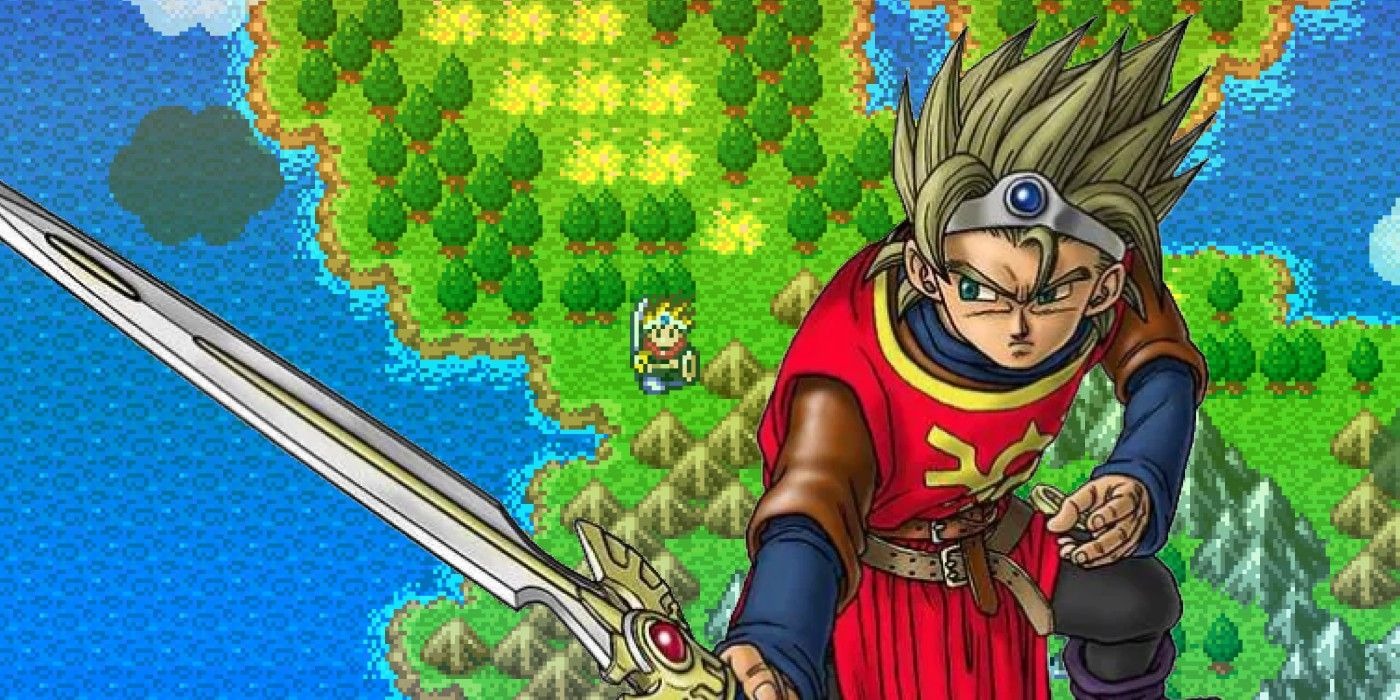
In the rapidly evolving landscape of video games, where cutting-edge graphics and complex narratives often dominate headlines, it’s rare for a foundational title from over three decades ago to remain genuinely compelling. Yet, Enix’s (now Square Enix) original Dragon Quest, released in Japan in 1986, continues to hold up with remarkable grace and accessibility, defying the typical erosion of time that affects many of its contemporaries. This pioneering classic JRPG, known in North America as Dragon Warrior, isn’t just a historical artifact; it’s a testament to enduring game design principles that still resonate with modern players and offers a profound lesson in elegant simplicity.
For those unfamiliar, Dragon Quest 1 cast players as the descendant of the legendary hero Erdrick, tasked with vanquishing the wicked Dragonlord and rescuing Princess Gwaelin. Its premise is deceptively straightforward, but this very simplicity is its greatest strength. At a time when console role-playing games were largely uncharted territory, Dragon Quest established the core mechanics that would define the genre for generations: turn-based combat, exploration of an overworld and dungeons, talking to NPCs for clues, character progression through experience points and gold, and the acquisition of increasingly powerful gear. While many subsequent titles would layer on intricate systems and convoluted plots, DQ1’s minimalist approach ensured a laser focus on these fundamental elements, making the gaming experience incredibly pure and engaging.
The Enduring Appeal of Dragon Quest’s Core Mechanics
One of the primary reasons Dragon Quest 1 remains so playable today lies in its streamlined mechanics. The game eschews overly complex menus or skill trees, opting for an intuitive command system that is easy to grasp even for newcomers to the genre. Combat is strictly one-on-one, hero versus monster, which might seem basic by today’s standards, but it forces strategic thinking regarding resource management (HP, MP) and item usage. Each encounter, though simple, feels meaningful, contributing to the player’s slow but satisfying ascent to power. The sense of progression is palpable, each level gained, each new spell learned, and each piece of equipment acquired directly impacts the hero’s ability to survive the increasingly perilous world.
Exploration in DQ1 is equally captivating. The world map, while not sprawling by modern definitions, feels expansive and mysterious due to the limited field of view and the need to discover new towns and dungeons. There’s a genuine sense of adventure as players venture into unknown territories, facing tougher monsters and searching for crucial items like the various crests needed to challenge the Dragonlord. This open-ended exploration, coupled with the need to grind for experience and gold, fosters a unique relationship between the player and the game world, where diligence and perseverance are richly rewarded. It’s an immersive loop that pulls players into its pixelated charm, encouraging them to see what lies just beyond the horizon.
A Masterclass in Pacing and Atmosphere
Despite its age, Dragon Quest 1 demonstrates an impressive understanding of pacing. The game gradually introduces new challenges and expands the scope of the adventure, ensuring that players are never overwhelmed but always feel a sense of forward momentum. The narrative, while sparse, is evocative, relying on the player’s imagination to fill in the gaps. This minimalist storytelling approach contributes to the game’s timeless quality, as it avoids specific cultural references that might date it, allowing its core themes of heroism and destiny to shine through.
Furthermore, the game’s atmosphere is masterfully crafted. From the distinct sound effects that accompany menu selections and combat actions to the legendary musical scores composed by Koichi Sugiyama, every element contributes to an unmistakable charm. Sugiyama’s compositions are iconic, instantly recognizable, and perfectly capture the whimsical yet epic tone of the adventure. The pixel art, simple yet expressive, creates a vivid world that, instead of feeling dated, evokes a powerful sense of nostalgia for veteran players and a quaint allure for new explorers. This synergy of visual and auditory elements creates an inviting and enduring aesthetic that stands in stark contrast to the often generic art styles of some contemporary titles.
Dragon Quest’s Unquestionable Legacy and Modern Relevance
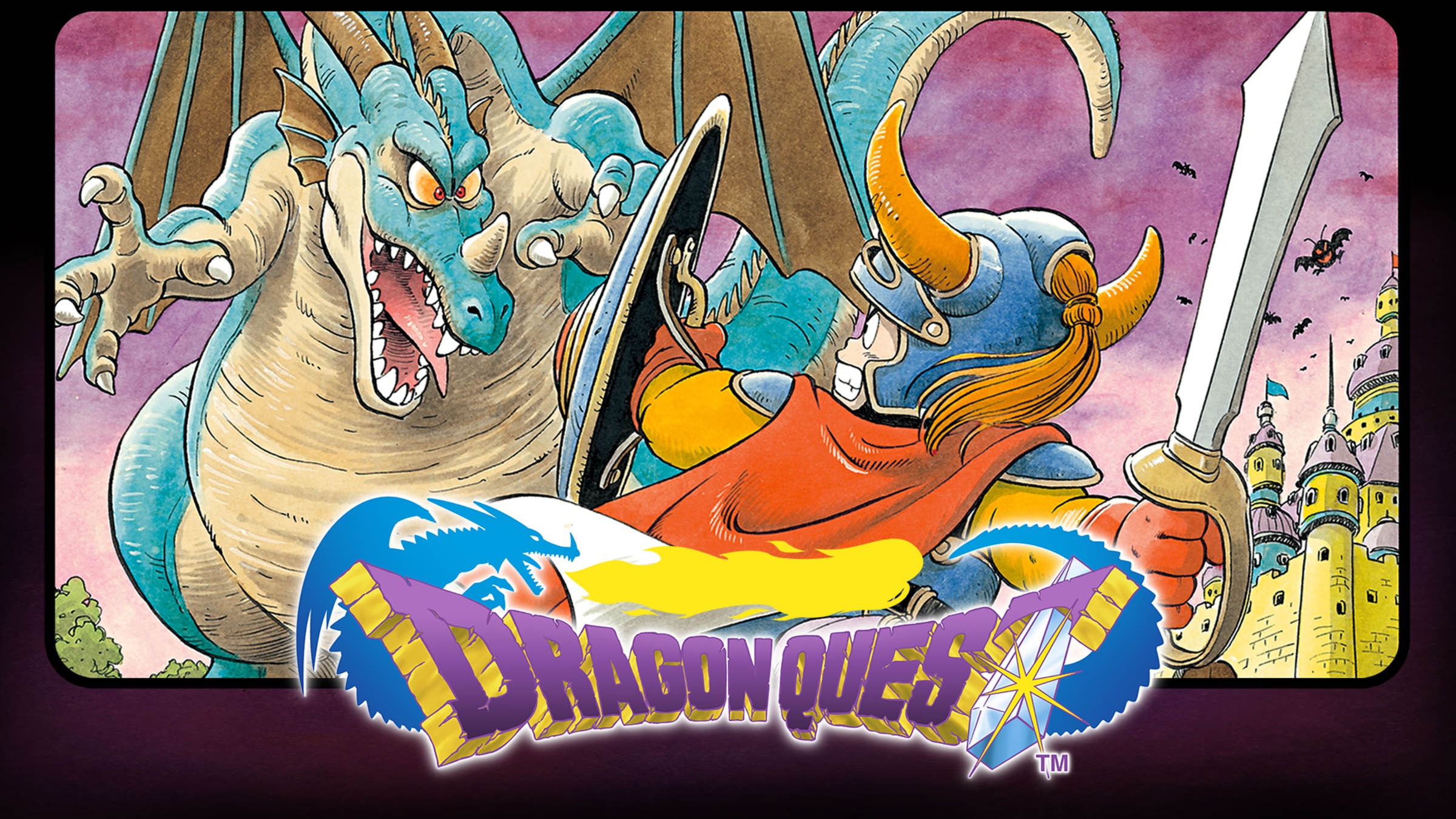
It is impossible to discuss Dragon Quest 1 without acknowledging its colossal impact on the JRPG genre. It essentially codified the blueprint that many successful franchises, including Final Fantasy, would follow. Its influence extended beyond mechanics, popularizing the idea of a cohesive, evolving fantasy world where heroes embark on grand quests. The game’s success in Japan cemented the JRPG as a viable and beloved genre, paving the way for countless innovations and expansions.
In today’s gaming landscape, filled with open worlds, intricate skill trees, and cutscene-heavy narratives, revisiting Dragon Quest 1 serves as a refreshing reminder of gaming’s roots. It underscores the power of elegant design, where every element serves a clear purpose and contributes to a cohesive experience. For developers, it offers a lesson in how simplicity can lead to profound depth. For players, especially those accustomed to modern conveniences, it provides a unique opportunity to experience a truly foundational work that, despite its apparent limitations, offers an incredibly satisfying and remarkably engaging journey. The fact that the game is still enjoyable, even celebrated, speaks volumes about the genius of its initial design and its status as a true timeless classic. The strategic depth hidden within its simple turn-based combat and the sense of accomplishment from overcoming its challenges continue to provide a compelling gaming experience for retro enthusiasts and curious newcomers alike. It’s a prime example of why strong fundamental design trumps ephemeral graphical trends, cementing its place as an enduring cornerstone of the video game review canon.