
Sony Targets Tencent in High-Stakes Copyright Battle Over Alleged Horizon Clone Light of Motiram









Popular Now
 Toca Boca World
 The Legend of Zelda
League of Legends
The Legend of Zelda
League of Legends
 Free Fire
 Minecraft
 R.E.P.O
 Geometry Dash
Garena Free Fire: Kalahari
Geometry Dash
Garena Free Fire: Kalahari
 FIFA 23
 Among Us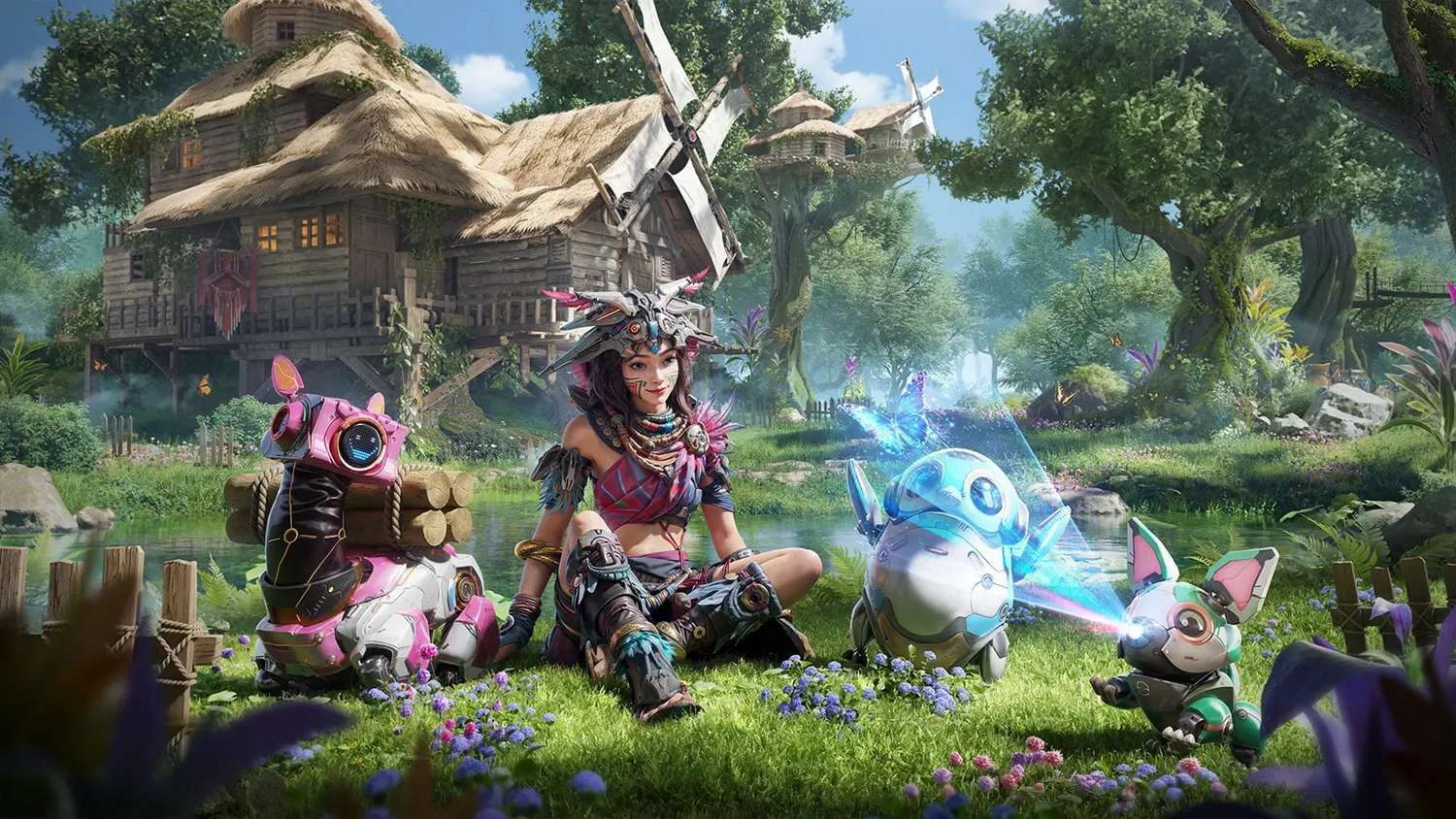
Sony Interactive Entertainment (SIE) has escalated its legal dispute against Chinese tech behemoth Tencent, filing a motion for a preliminary injunction in the U.S. District Court for the Northern District of California. The move aims to halt the promotion and development of Tencent’s upcoming open-world survival game, Light of Motiram, which Sony has repeatedly labeled a “slavish clone” of its highly successful Horizon franchise, home to the critically acclaimed titles Horizon Zero Dawn and Horizon Forbidden West.
This aggressive legal maneuver underscores the immense value Sony places on its intellectual property (IP) and the lengths to which major publishers will go to defend their AAA game franchises against perceived copyright infringement. The case is being closely watched across the global gaming industry, particularly concerning the nebulous line between inspiration and outright imitation.
The Core of Sony’s Allegations: A ‘Slavish Clone’
Sony’s initial lawsuit, filed in July, outlined numerous similarities between Light of Motiram and the Horizon games. The current injunction request specifically targets elements that SIE asserts are core to the Horizon brand, causing significant consumer confusion and threatening irreparable harm to the franchise’s goodwill and ongoing expansion plans, including a highly anticipated film adaptation.
The key infringing elements cited in the preliminary injunction motion include:
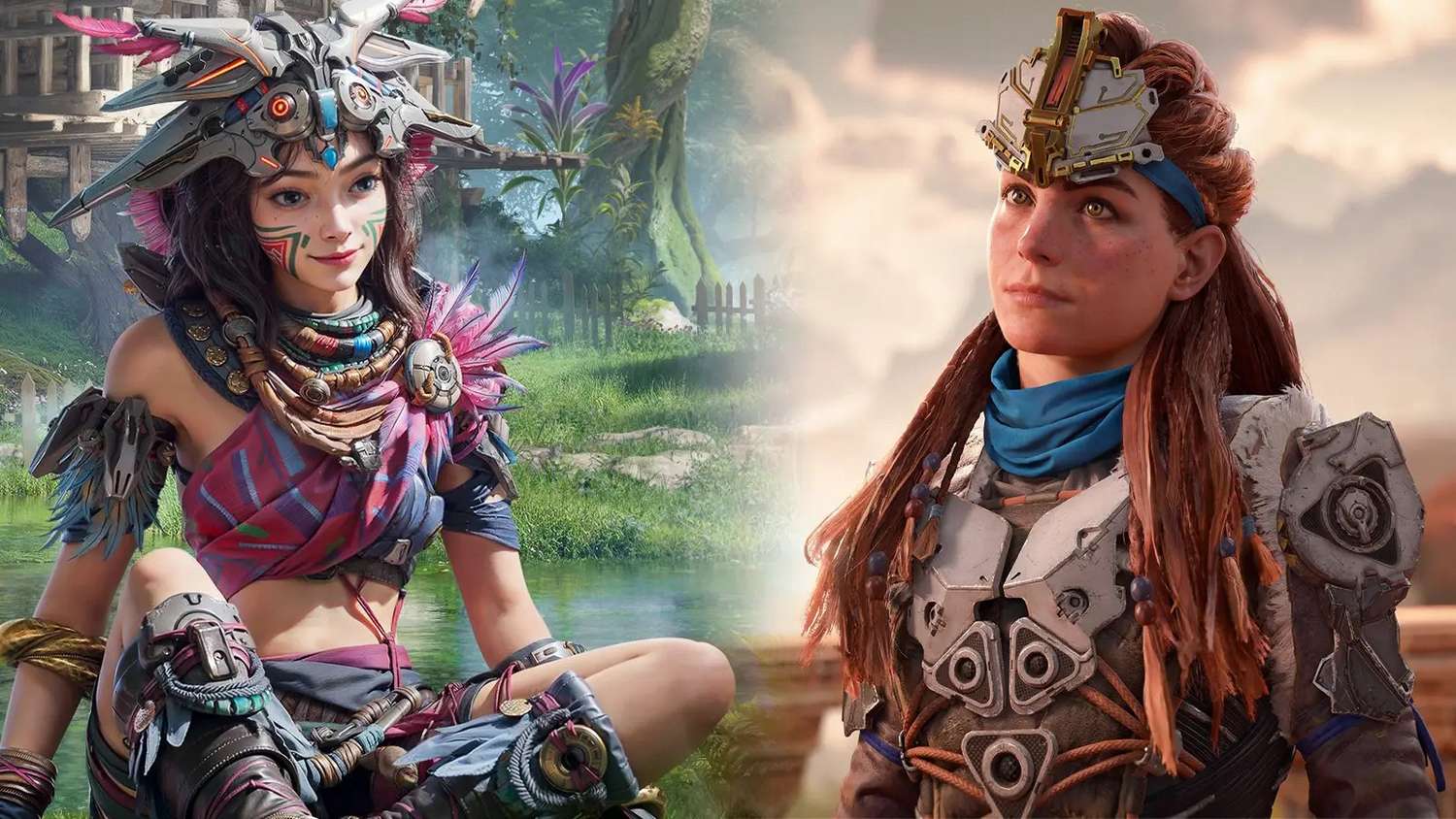
- The Protagonist: A “fierce tribal warrior huntress characterized by fiery red hair” that Sony argues is an unambiguous copy of Horizon’s main character, Aloy, who has become a major brand identifier for PlayStation.
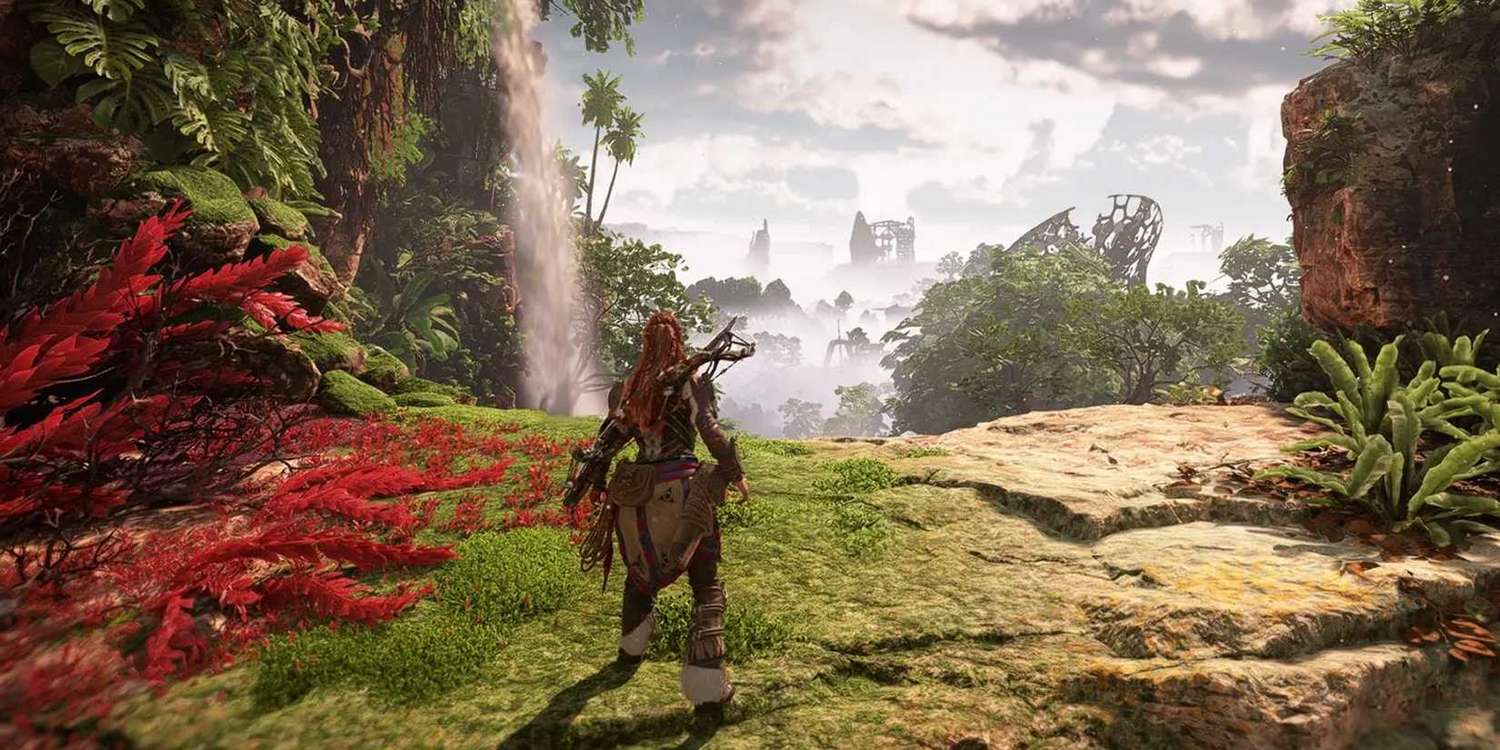
- The Aesthetic and Setting: The use of a post-apocalyptic, technologically advanced world where tribal societies battle giant robotic creatures, a distinctive combination Sony claims to have pioneered.
- Music and Visuals: Allegations of a trailer melody too similar to tracks from the Horizon Zero Dawn original soundtrack (OST), alongside copied visuals and storyline elements.
SIE contends that the public’s reaction—with numerous journalists and fans quickly dubbing Light of Motiram a “major Horizon rip off”—is irrefutable evidence of the trade dress and trademark infringement caused by Tencent’s game.
 Tencent’s Defense: ‘Time-Honored Tropes’ and Corporate ‘Shell Games’
 Tencent’s Defense: ‘Time-Honored Tropes’ and Corporate ‘Shell Games’
Tencent, and its subsidiary Polaris Quest (the developer), filed a motion to dismiss the lawsuit, arguing that the elements in question are merely “well-trodden tropes” within popular culture and the science fiction genre, such as red-haired protagonists or fighting mechanical beasts. They contend that Sony is making an “improper attempt to fence off a well-trodden corner of popular culture.”
Furthermore, Tencent initially cited a distant release date—postponed to late 2027 following the lawsuit—to argue that Sony cannot demonstrate the “immediate threatened injury” required for an injunction. They also attempted to deflect liability by suggesting Sony was suing the wrong corporate entity.
Sony’s opposition filing, however, blasts this defense as “nonsense” and accuses Tencent of playing a “shell game” with its various subsidiaries to avoid responsibility. Sony maintains that the damage is done, and continues to be done, through existing promotional materials still visible on platforms like Steam and YouTube, despite a quiet scrubbing of some of the most overtly similar screenshots from the game’s official pages.
 Implications for Future IP Protection and Game Development
 Implications for Future IP Protection and Game Development
The outcome of this injunction request, with a hearing scheduled for late November, could set a powerful precedent for intellectual property protection in the fiercely competitive video game market. If granted, the injunction could force Tencent to redesign Light of Motiram’s protagonist, halt further promotional material, and potentially rework significant portions of the game’s development—an immense financial blow and a major victory for Sony’s efforts to safeguard its valuable franchise equity.
A victory for Tencent, conversely, might embolden other developers to push the boundaries of “inspiration,” especially across different geographical markets. This makes the legal battle a critical juncture for global copyright law as it applies to the unique elements of modern, high-budget video game productions.
Ultimately, this case is about more than just a single game; it’s a multi-million-dollar struggle over brand identity, market share, and the right to own a truly distinctive creative vision in the massive open-world genre. Developers and publishers worldwide are watching closely, recalculating their own risk profiles for new projects in light of Sony’s aggressive defense of the Horizon IP.